
Moving to Canada is a major life decision. But getting your Canadian visa or permanent residence is only part of the journey. One of the biggest decisions you may face is where in Canada you want to build your new life.
Canada is the second-largest country in the world, and each province and territory has its own character, climate, job market, housing costs, communities, and opportunities.
So, which province is best for newcomers to Canada?
The answer depends on you.
The best province to live in Canada for one newcomer may not be the best choice for another. Your profession, budget, language skills, family situation, lifestyle preferences, and long-term plans should all play a role in your decision.
This guide will help you understand the factors to consider when choosing a province in Canada and introduce you to the different options available.
Small Tip: Don’t choose a province simply because someone told you it is “the best.” Choose the place that best fits your goals and circumstances.
Why Does Choosing the Right Province Matter?
Canada has 10 provinces and 3 territories, and life can be very different from one part of the country to another.
Your province or territory can affect:
-
- Employment opportunities
-
- Cost of housing
-
- Taxes and everyday expenses
-
- Healthcare access and administration
-
- Education
-
- Public transportation
-
- Weather and climate
-
- Language and culture
-
- Availability of newcomer services
-
- Professional licensing requirements
-
- Community and family support
Even healthcare is administered at the provincial and territorial level, so the way you access healthcare can depend on where you live.
That’s why choosing where to settle in Canada deserves careful consideration before you make your move.
If you’re still preparing for your move, you may also want to review The Ultimate Moving to Canada Checklist: What to Prepare Before You Leave and Before You Arrive for a broader look at what to organize before and after arriving in Canada.
The 5 Biggest Factors to Consider
Before comparing provinces, ask yourself these five questions.
1. Where Are the Jobs in Your Industry?
Your career should be one of the first things you consider.
A province may have a lower cost of living, but if there are very few opportunities in your profession, finding work could be more difficult.
Research:
-
- Your profession’s demand
-
- Average salaries
-
- Major employers
-
- Unemployment and employment trends
-
- Professional licensing requirements
-
- Opportunities for newcomers
-
- Whether your foreign credentials need to be assessed
Some professions are regulated in Canada, meaning you may need to obtain a licence or certification before you can work in that occupation.
Small Tip: Research your specific occupation—not just the general job market—before choosing a province.
Once you’ve identified where you may want to work, Finding Your First Job in Canada: A Newcomer’s Guide can help you prepare for the Canadian job search.
2. How Much Can You Afford?
Housing can make a huge difference in your monthly budget.
The cost of renting or buying a home varies considerably between provinces, cities, and even neighborhoods. You also need to consider utilities, insurance, transportation, taxes, and other expenses.
Don’t compare provinces based only on rent.
Instead, calculate your estimated:
Income − Housing − Transportation − Food − Utilities − Taxes − Other Expenses = Money Left Over
For example, a province with lower rent might require you to own a car because public transportation is limited. Your overall expenses could therefore be higher than expected.
Small Tip: Compare the total cost of living, not just the monthly rent.
Before choosing a city or neighborhood, it’s also helpful to understand the practical steps involved in How to Find a Place to Live in Canada: A Newcomer’s Guide.
3. What Kind of Climate Can You Handle?
Canada is famous for its winters—but not every part of Canada experiences winter in the same way.
Some areas have very cold winters and significant snowfall. Other regions have milder temperatures, while coastal communities can have different weather patterns.
Before choosing where to settle, research:
-
- Winter temperatures
-
- Snowfall
-
- Summer temperatures
-
- Rainfall
-
- Length of winter
-
- Heating costs
-
- Transportation during winter
If you’ve never experienced a Canadian winter before, this is an especially important consideration.
Small Tip: Don’t choose a province based only on photos of beautiful summers. Research what the area is like in January, too!
4. Do You Prefer English, French, or Both?
Language can play an important role in your Canadian settlement experience.
English is widely spoken across Canada, while French is particularly important in Quebec and is also spoken in Francophone communities throughout the country.
Your language abilities can influence:
-
- Employment opportunities
-
- Government services
-
- Community connections
-
- Education
-
- Daily life
-
- Your overall settlement experience
If you speak French, you may also want to explore Francophone communities outside Quebec.
Canada offers settlement and pre-arrival services that can help newcomers learn about the province or community where they plan to live.
5. What Kind of Community Do You Want?
Not everyone wants to live in a major metropolitan area.
Some newcomers prefer a large city with extensive public transportation, diverse communities, universities, and numerous employers.
Others prefer:
-
- Smaller cities
-
- Suburban communities
-
- Rural areas
-
- Quieter neighborhoods
-
- Outdoor-oriented communities
-
- Smaller Francophone communities
Think about what will make you feel comfortable and connected.
A smaller community may offer a quieter lifestyle, while a major city may provide more employment options and established immigrant communities.
A Quick Look at Canada’s Provinces
There is no single best province in Canada for newcomers. Each province has different advantages and considerations.
Here’s a starting point for your research.
Ontario

Ontario is Canada’s most populous province and includes major urban centers such as Toronto and Ottawa.
Potential advantages:
-
- Large and diverse job market
-
- Major immigrant communities
-
- Many educational institutions
-
- Extensive services and amenities
-
- Strong transportation connections
Considerations:
-
- Housing can be expensive, particularly in major urban areas
-
- Competition for some jobs can be strong
-
- Large cities can be busy and fast-paced
May suit newcomers who: prioritize career opportunities, diversity, education, and urban life.
Quebec

Quebec offers a distinct culture and is Canada’s largest French-speaking province.
Potential advantages:
-
- Strong French-language culture
-
- Major cities such as Montreal and Quebec City
-
- Distinct cultural identity
-
- Opportunities for French-speaking newcomers
Considerations:
-
- French can be very important for daily life and many jobs
-
- Quebec has its own immigration system and selection processes
-
- Newcomers should understand Quebec-specific requirements before planning their move
If Quebec is your preferred destination, research its immigration and settlement requirements separately rather than assuming they are identical to those of other provinces.
May suit newcomers who: speak French or are committed to learning French and want to live in a strongly Francophone environment.
British Columbia

British Columbia is known for its mountains, coastline, outdoor lifestyle, and relatively mild climate compared with many parts of Canada.
Potential advantages:
-
- Beautiful natural environment
-
- Mild climate in some areas
-
- Diverse communities
-
- Major employment center in Vancouver
-
- Strong technology and service sectors
Considerations:
-
- Housing costs can be high in major urban areas
-
- Transportation and housing should be carefully researched
-
- Job opportunities vary considerably by location
May suit newcomers who: value outdoor activities, a milder climate, and urban opportunities.
Alberta

Alberta is known for its energy sector, growing cities, mountains, and relatively lower housing costs than some of Canada’s most expensive metropolitan markets.
Major cities include Calgary and Edmonton.
Potential advantages:
-
- Employment opportunities in several industries
-
- Strong energy sector
-
- Growing urban centers
-
- Access to outdoor recreation
-
- No provincial sales tax
Considerations:
-
- Winters can be cold
-
- Some communities are more car-dependent
-
- Employment opportunities vary by industry
May suit newcomers who: prioritize employment, affordability, and outdoor activities.
Manitoba

Manitoba, with Winnipeg as its largest city, can be an attractive option for newcomers looking for a more affordable urban environment.
Potential advantages:
-
- Lower housing costs than some major Canadian cities
-
- Established newcomer communities
-
- Employment opportunities in several sectors
-
- Smaller-city feel compared with Toronto or Vancouver
Considerations:
-
- Winters can be extremely cold
-
- Public transportation and services vary by location
-
- Job opportunities depend on your profession
May suit newcomers who: want a balance between city amenities and potentially lower housing costs.
Saskatchewan

Saskatchewan is known for its wide-open spaces, agriculture, natural resources, and cities such as Saskatoon and Regina.
Potential advantages:
-
- Potentially more affordable housing
-
- Opportunities in agriculture, healthcare, trades, and other industries
-
- Smaller communities
-
- Outdoor lifestyle
Considerations:
-
- Cold winters
-
- Smaller population centers
-
- Some locations may require a car
May suit newcomers who: prefer smaller cities, affordability, and opportunities connected to specific industries.
Nova Scotia

Nova Scotia is one of Canada’s Atlantic provinces and is home to Halifax, an important regional center.
Potential advantages:
-
- Coastal lifestyle
-
- Strong sense of community
-
- Growing Halifax area
-
- Opportunities in healthcare, education, technology, and other sectors
Considerations:
-
- Housing costs have increased in popular areas
-
- Some communities have fewer employment opportunities
-
- Winters and coastal weather can be challenging
May suit newcomers who: prefer coastal living and a smaller population center.
New Brunswick
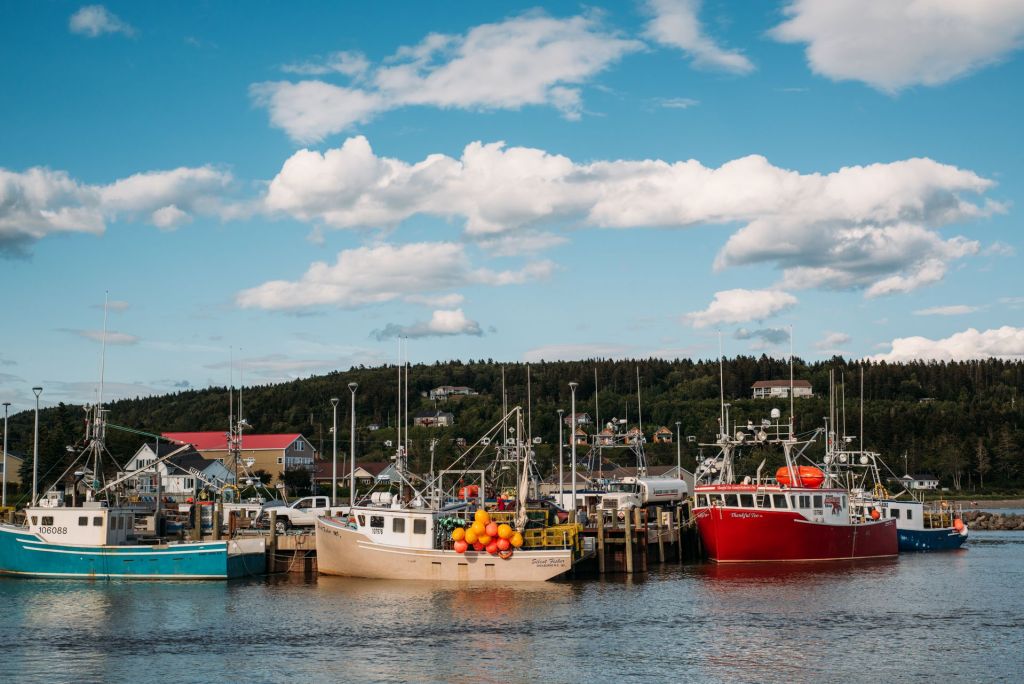
New Brunswick is Canada’s only officially bilingual province.
Potential advantages:
-
- English and French communities
-
- Smaller cities and towns
-
- Potentially lower housing costs than Canada’s largest metropolitan areas
-
- Opportunities in several industries
Considerations:
-
- Smaller job market
-
- Some communities have limited public transportation
-
- French may be important depending on your location and profession
May suit newcomers who: want a smaller community and are interested in an English-French environment.
Newfoundland and Labrador
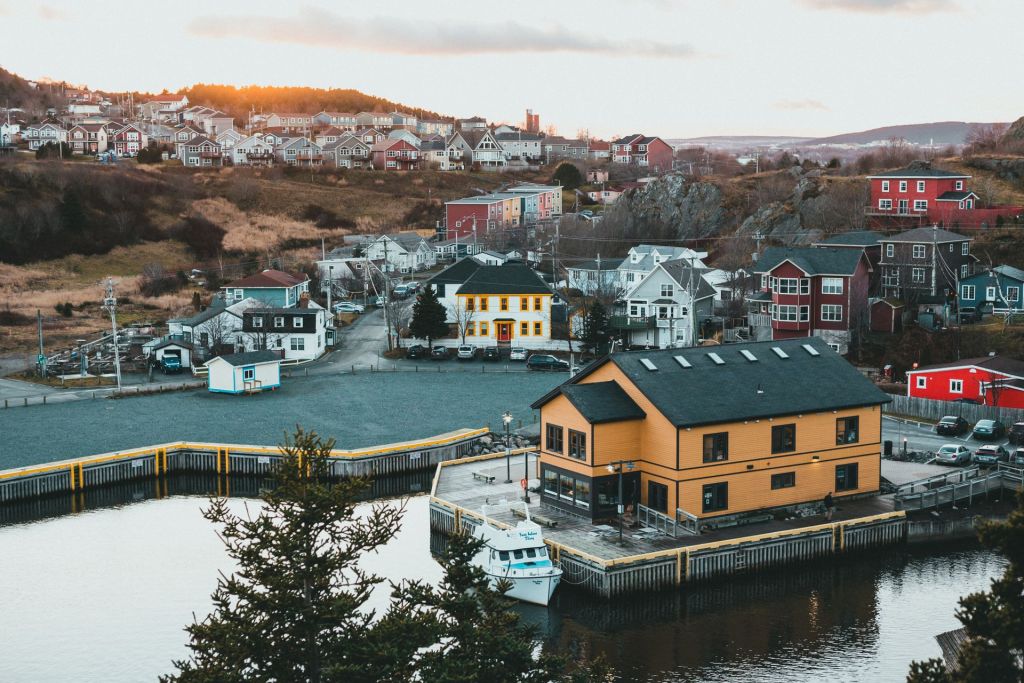
Newfoundland and Labrador offers a very different lifestyle from Canada’s largest urban centers.
Potential advantages:
-
- Strong sense of community
-
- Beautiful natural landscapes
-
- Smaller communities
-
- Opportunities in selected industries
Considerations:
-
- Smaller job market
-
- Remote locations
-
- Weather and geography can affect transportation
May suit newcomers who: enjoy nature, smaller communities, and a slower pace of life.
Prince Edward Island

Prince Edward Island, or PEI, is Canada’s smallest province.
Its capital, Charlottetown, is the province’s main urban center.
Potential advantages:
-
- Small-community atmosphere
-
- Coastal lifestyle
-
- Close-knit communities
-
- Opportunities in selected sectors
Considerations:
-
- Small job market
-
- Fewer major urban amenities
-
- Housing availability and affordability should be researched carefully
May suit newcomers who: prefer a small community and don’t need the job market of a major metropolitan area.
What About Canada’s Territories?
Canada also has three territories:
-
- Yukon
-
- Northwest Territories
-
- Nunavut
These northern regions offer unique lifestyles, cultures, landscapes, and employment opportunities.
However, living in the territories can be very different from living in Canada’s major southern cities.
Consider factors such as:
-
- Remote locations
-
- Cost of goods
-
- Transportation
-
- Housing availability
-
- Climate
-
- Employment opportunities
-
- Access to services
For some newcomers, northern Canada can offer an exciting opportunity. For others, a major city or smaller southern community may be a better fit.
Don’t Choose a Province Based on Cost Alone
One of the biggest mistakes newcomers can make is choosing a province simply because it appears cheaper.
Imagine two provinces:
Province A
-
- Lower rent
-
- Fewer jobs in your profession
-
- Limited public transportation
-
- Smaller immigrant community
Province B
-
- Higher rent
-
- More employment opportunities
-
- Better public transportation
-
- More established community support
Province A may appear cheaper at first—but Province B could potentially make more sense for your career and lifestyle.
The right question isn’t:
“Where is the cheapest place to live in Canada?”
Instead, ask:
“Where can I build a stable and fulfilling life within my budget?”
Consider Your Family
If you’re moving to Canada with a spouse or children, your decision becomes even more important.
Consider:
For families with children
-
- Schools
-
- Childcare
-
- Family-friendly neighborhoods
-
- Parks and recreation
-
- Healthcare access
-
- Public transportation
For couples
-
- Employment opportunities for both partners
-
- Housing
-
- Transportation
-
- Community
-
- Lifestyle
For students
-
- Tuition
-
- Educational institutions
-
- Housing
-
- Transportation
-
- Part-time employment opportunities
Your ideal province may be very different depending on your stage of life.
Don’t Forget About Settlement Services
You don’t have to figure everything out by yourself.
The Canadian government provides information and resources for newcomers covering areas such as employment, housing, healthcare, language learning, education, taxes, and community connections.
Eligible newcomers can also access settlement services to help them adjust to life in Canada. Services can include help with finding a job, improving language skills, understanding the community, and accessing other resources.
Small Tip: Research settlement organizations in your potential city before you arrive. Knowing where to get help can make your first few weeks much easier.
Your Province Can Also Matter for Immigration
For some immigration pathways, your choice of province is more than a lifestyle decision.
Canada’s Provincial Nominee Program (PNP) allows participating provinces and territories to nominate eligible candidates who want to live in that province or territory. Each participating province and territory has its own requirements and streams.
If you’re considering a provincial nominee pathway, research the specific requirements of the province you are interested in.
Importantly, Quebec and Nunavut do not have Provincial Nominee Programs. Quebec has its own immigration programs, while Nunavut does not have a PNP.
A provincial nomination can therefore connect your immigration strategy with your eventual settlement plans.
Small Tip: Don’t choose a province for a PNP simply because you heard it is “easier.” Always check the current official eligibility requirements and whether you genuinely intend to live and work there.
A Simple Province Comparison Checklist
Before making your decision, score each province you’re considering from 1 to 5.
| Factor | Score 1–5 |
| Job opportunities in my profession |  |
| Salary potential | |
| Housing affordability | |
| Overall cost of living | |
| Healthcare access | |
| Public transportation | |
| Climate | |
| Language | |
| Schools and education | |
| Community support | |
| Lifestyle | |
| Family needs | |
Add up your scores and compare your top choices.
This won’t make the decision for you—but it can help you think about it more objectively.
Questions to Ask Before Choosing a Province
Before making your final decision, ask yourself:
Career
-
- Are there jobs in my profession?
-
- Is my occupation regulated?
-
- Will I need to have my credentials assessed?
Money
-
- Can I afford housing?
-
- What will my transportation costs be?
-
- What will my estimated monthly expenses look like?
Language
-
- Am I comfortable working in English?
-
- Would French be important for my career or community?
Family
-
- Are schools and childcare available?
-
- Is healthcare accessible?
-
- Will my family feel comfortable there?
Lifestyle
-
- Do I prefer a large city or smaller community?
-
- Can I handle the climate?
-
- Do I need public transportation?
Immigration
-
- Does my immigration pathway have province-specific requirements?
-
- If considering a PNP, do I meet the current requirements?
-
- Do I genuinely intend to settle in that province?
So, Which Province Is Best for Newcomers?
There is no universal answer.
Ontario may appeal to newcomers who want a large job market and diverse urban communities.
British Columbia may appeal to people who prioritize nature and a milder climate.
Alberta may attract newcomers looking for employment opportunities, outdoor recreation, and potentially more affordable housing than some of Canada’s most expensive markets.
Manitoba and Saskatchewan may appeal to those looking for smaller cities and potentially lower housing costs.
Quebec can be an excellent choice for French-speaking newcomers who want to live in a Francophone environment.
Atlantic provinces such as Nova Scotia, New Brunswick, Newfoundland and Labrador, and Prince Edward Island can appeal to people who prefer smaller communities and coastal lifestyles.
The important thing is to look beyond the reputation of each province.
Your best province is the one where your career, finances, family, language, and lifestyle can work together.
Souad Tips : Choose Your Canada
Moving to Canada is more than choosing a country. You’re choosing a community, a lifestyle, a job market, and a place where you hope to build your future.
Take your time.
Research the province. Research the city. Research the neighborhood.
Look beyond social media posts and lists of “the best places to live.” Consider your own goals and circumstances.
And remember: Canada is a big country. You don’t have to choose the most famous destination to find your place.
The right community for you may be somewhere you haven’t considered yet.
Your Canadian journey is your own. Choose the place that gives you the best opportunity to build the life you want.
Ready to Start Your Canadian Journey?