

Moving to Canada is a major life decision. Whether you’re coming for work, family, study, or a new opportunity, there is much more to prepare for than immigration paperwork.
You may already be researching visas, flights, and what to pack. But what should you know before moving to Canada about finding a home, getting a job, managing money, accessing healthcare, understanding the weather, and adjusting to everyday Canadian life?
The reality is that settling into a new country takes time. Canada can offer wonderful opportunities, but your experience may also come with challenges and surprises—especially during your first few months.
This Canada newcomer guide covers 17 practical things to think about before making the move. Think of it as a starting point for preparing yourself—not just to arrive in Canada, but to build a life here.
Important: This article provides general information for newcomers and is not immigration, legal, tax, medical, or financial advice. Requirements and services can vary depending on your immigration status, province or territory, and individual circumstances.
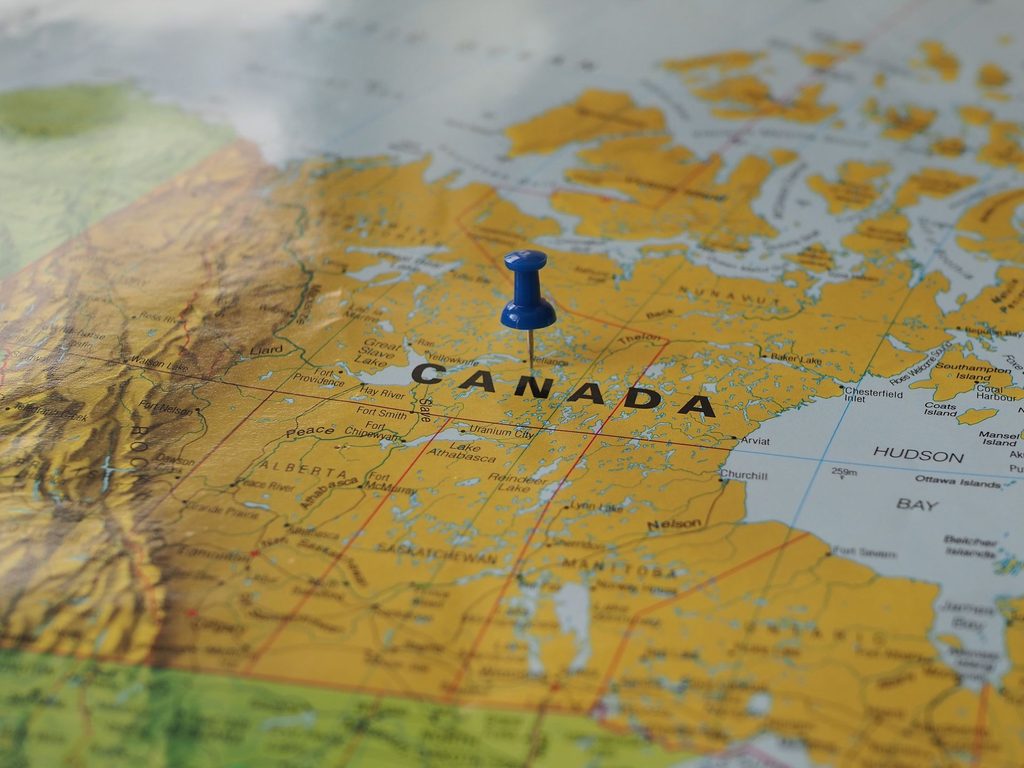
1. Canada Is a Very Big Country
One of the first things to know before moving to Canada is that Canada is enormous.
Canada has 10 provinces and 3 territories, and life can look very different depending on where you live. A person living in Vancouver may have a very different experience from someone living in Winnipeg, Halifax, Toronto, Montreal, Edmonton, or a smaller community.
That includes differences in:
- Weather and climate
- Housing costs
- Employment opportunities
- Transportation
- Language
- Local culture
- Taxes and government services
- Access to certain amenities and services
This is why choosing where to live in Canada is an important part of preparing for your move.
Don’t choose a city simply because you’ve heard its name or because someone you know lives there. Research the cost of living, employment opportunities, housing, transportation, climate, and community before making your decision.
Tip: Make a list of your priorities—such as employment, affordable housing, family needs, language, or proximity to public transportation—and compare potential locations based on those priorities.
2. The Cost of Living Can Vary Significantly
Another important consideration when moving to Canada is the cost of living.
Your expenses may include:
- Rent or mortgage payments
- Groceries
- Transportation
- Utilities
- Internet and mobile phone services
- Clothing
- Healthcare-related expenses
- Insurance
- Taxes
- Entertainment and other personal expenses
The amount you’ll need can vary considerably depending on your location and lifestyle.
Housing is often one of the biggest expenses, so don’t look at a salary in isolation. A job that offers a certain income may look attractive until you compare it with rent, transportation, taxes, and other everyday costs in that particular area.
Before you move, create a realistic starting budget. Think about not only your first month’s expenses, but also the costs you’ll have while you’re looking for permanent housing or employment.
Planning your move? Check out The Ultimate Moving to Canada Checklist for a practical list of things to prepare before you arrive.

3. Housing Should Be One of Your First Priorities
Finding a place to live is one of the biggest practical challenges for many newcomers.
You may initially stay with family or friends, use temporary accommodation, or rent a home. Whatever your situation, research the housing market in your chosen community before you arrive.
When looking for housing, consider:
- Monthly rent
- Location
- Transportation
- Distance from work or school
- Utilities
- Lease terms
- What is included in the rent
- Deposit requirements
- Neighborhood safety and amenities
Don’t focus only on the advertised monthly rent. A cheaper apartment that is far from work may cost more once transportation and commuting time are considered.
It’s also wise to be cautious when searching for accommodation online. Be careful with rental listings that seem unusually cheap or ask you to send money before you’ve properly verified the property and rental arrangement.
The Government of Canada provides newcomer resources covering housing and other settlement topics. (canada.ca)

4. Canada’s Healthcare System Isn’t Completely Free
You may have heard that Canada has universal healthcare. While that is broadly true, universal healthcare does not mean every healthcare service is free.
Canada’s public healthcare system is administered through provincial and territorial health plans. What is covered can vary between provinces and territories.
Public health insurance generally covers medically necessary hospital and physician services, but some services and products may not be covered in the same way. Depending on your circumstances, you may have to pay for things such as certain prescription medications, dental care, vision care, or other services.
Your eligibility and when your coverage begins can also depend on your province or territory and your status in Canada.
Before moving, research the healthcare system in the province or territory where you’ll live and find out what you need to do to apply for coverage.
Don’t assume that healthcare will work exactly the way it does in your home country.
5. Building Credit Matters
If you’re moving to Canada for the first time, you may discover that your financial history from another country doesn’t automatically translate into a Canadian credit history.
Credit can become important when you’re applying for certain financial products and services. Understanding how Canadian credit works early can help you make informed financial decisions.
You may encounter terms such as:
- Credit score
- Credit report
- Credit history
- Credit limit
- Interest rate
- Minimum payment
Building a healthy credit history takes time, so don’t expect everything to happen immediately.
Learn how credit works before you start applying for financial products, and make responsible payments according to your agreements.
Learn more: How Credit Works in Canada for Newcomers
You can also learn more about obtaining a Canadian credit report and score through the Financial Consumer Agency of Canada. (canada.ca)

6. Finding a Job May Take Time
Finding your first job is often one of the biggest concerns for people moving to Canada.
Even if you have years of professional experience in another country, your job search may take time.
You may need to:
- Adapt your résumé
- Learn about Canadian hiring practices
- Build professional connections
- Improve your English or French
- Research employers
- Understand local job requirements
- Have international credentials assessed
- Consider different ways to demonstrate your skills
One important thing to remember is that your first Canadian job doesn’t necessarily have to be your forever job.
You may need time to understand the job market and learn how your international experience fits into it.
The Government of Canada provides resources such as Job Bank and newcomer-serving organizations that can help with job searches, résumé preparation, training, and understanding Canadian workplaces.
Read next: Finding Your First Job in Canada: A Newcomer’s Guide
7. Your Credentials May Need Recognition
If you are a doctor, nurse, engineer, teacher, tradesperson, or another regulated professional, your international education and work experience may not automatically authorize you to work in the same profession in Canada.
Some occupations are regulated, meaning you may need to have your credentials assessed and obtain a license or certification before you can work.
The process can vary by occupation and province or territory. The Government of Canada recommends contacting the regulatory authority for your profession to understand the requirements.
If possible, start researching this before you arrive.
Knowing that your profession requires additional assessment or licensing can help you plan your finances, timeline, training, and job search.

8. The Weather May Be Very Different From What You’re Used To
Canada is famous for winter, but Canadian weather isn’t the same everywhere.
Some regions experience very cold winters, while other areas have relatively milder winter conditions. Summers can also vary considerably from one region to another.
Before moving, research the specific climate of your destination.
You’ll want to understand:
- Typical winter temperatures
- Snowfall
- Rain
- Summer temperatures
- Seasonal changes
- Heating requirements
- Winter transportation
If you’ve never experienced a Canadian winter, don’t underestimate the importance of proper clothing and footwear.
A good winter coat, insulated boots, gloves, a hat, and appropriate layers can make a significant difference.
Weather isn’t simply something to endure—it can affect transportation, housing, energy bills, work, recreation, and your daily routine.
9. English and French Are Canada’s Official Languages
Canada has two official languages: English and French.
English is the most commonly spoken language in most provinces and territories, while French is particularly important in Quebec and is also spoken in communities across the country.
Your language needs may depend heavily on where you decide to live.
Strong English or French skills can help with:
- Finding employment
- Accessing services
- Communicating with coworkers
- Making friends
- Navigating everyday life
- Helping children with school
- Participating in your community
You don’t need to know everything immediately.
If you’re still learning English or French, look for language-learning and settlement resources after you arrive. The Government of Canada provides information about language learning for newcomers.
And remember: being able to communicate is often more important than speaking perfectly.
10. Taxes Are Part of Everyday Life
Taxes are another important part of life in Canada for newcomers.
Depending on your situation, you may encounter:
- Income tax
- Sales taxes
- Payroll deductions
- Property taxes
- Other provincial or municipal taxes and fees
The amount and type of taxes you encounter can vary depending on where you live and your circumstances.
When you start working, look carefully at your paycheque. Your gross salary—the amount before deductions—is not necessarily the amount you take home.
You’ll also eventually need to understand how Canadian tax filing works.
The Canada Revenue Agency provides specific information for newcomers, including information about income tax, benefits, credits, and the first tax return.
Tip: Keep important financial documents organized from the beginning. Good records can make future tax and financial tasks much easier.

11. You’ll Need Important Identification and Documents
Before and after you arrive, keep your important documents organized and secure.
Depending on your situation, these may include:
- Passport
- Immigration documents
- Permanent resident documents, if applicable
- Social Insurance Number (SIN)
- Provincial or territorial health card
- Driver’s licence or other identification
- Educational credentials
- Professional certifications
- Employment records
- Financial documents
Your Social Insurance Number (SIN) is particularly important if you’re authorized to work in Canada. It is also used for certain government benefits and financial purposes.
The CRA advises newcomers to protect their SIN because it is personal and confidential.
Consider keeping secure digital copies of important documents in addition to physical copies.
However, don’t casually share sensitive identification information. Only provide it when it’s legitimately required.

12. Transportation Depends on Where You Live
Transportation can be very different depending on your location.
In larger cities, you may have access to:
- Buses
- Trains
- Subways
- Light rail
- Cycling infrastructure
- Ride-sharing services
In smaller towns and rural communities, having a car may be much more important.
Before choosing where to live, consider how you’ll get to:
- Work
- School
- Grocery stores
- Healthcare
- Childcare
- Community services
- Other places you visit regularly
A home that looks affordable on paper may not be practical if you need to spend hours commuting every day.
If you plan to drive, research the driver’s license requirements and insurance rules in your province or territory.
13. Canadian Workplace Culture May Be Different
Even if you have extensive professional experience, Canadian workplace culture may feel unfamiliar at first.
Workplaces can differ from what you’re used to in areas such as:
- Communication style
- Meetings
- Punctuality
- Email etiquette
- Teamwork
- Feedback
- Workplace hierarchy
- Networking
For example, you may find that workplace communication is relatively informal in some organizations, while still expecting professionalism and respect.
You may also need to become comfortable explaining your experience in a way that Canadian employers understand.
Don’t assume that one approach works everywhere. Canadian workplaces differ by industry, employer, region, and organizational culture.
The best approach is to observe, ask appropriate questions, listen, and learn.
14. Canadian Culture Can Take Time to Understand
Moving to another country isn’t just about finding a home and a job. It’s also about understanding the people and culture around you.
You may notice differences in:
- Social etiquette
- Personal space
- Communication
- Queuing
- Tipping
- Customer service
- Workplace relationships
- Community life
Some things may feel familiar, while others may seem completely new.
And that’s okay.
You don’t have to understand every Canadian custom on your first day.
Give yourself permission to observe and learn. Ask questions when you’re unsure, and don’t be afraid to make small mistakes while adjusting.
At the same time, remember that Canada isn’t culturally identical from coast to coast. Different provinces, cities, communities, and individuals have their own traditions and ways of doing things.

15. Building a Support Network Is Important
Starting over in a new country can be exciting, but it can also feel lonely.
One of the most useful Canada newcomer tips is to start building connections early.
Your support network might include:
- Family members
- Friends
- Coworkers
- Neighbors
- Community organizations
- Professional associations
- Volunteer groups
- Settlement organizations
The Government of Canada provides newcomer services that can help people access information about employment, housing, healthcare, language learning, education, and other settlement needs.
Don’t wait until you have a problem before looking for support.
Joining a community group, attending an event, volunteering, or connecting with people who share your interests can help you feel more comfortable and connected.
And if you already know someone in Canada, don’t be afraid to ask practical questions. Sometimes a simple recommendation from someone who has already gone through the process can save you time and stress.
16. You Don’t Have to Figure Everything Out Immediately
One of the biggest mistakes you can make when moving to Canada is expecting yourself to have everything figured out right away.
You may have a detailed plan:
Find a home → Get a job → Build credit → Make friends → Settle down.
But real life doesn’t always follow a straight line.
You may experience delays. Your first apartment may not be your ideal home. Your first job may not be your dream position. You may need more time than expected to understand the system.
That’s normal.
Instead of trying to solve everything at once, focus on your most important priorities first.
For example:
First: Safety and temporary accommodation
Then: Essential documents and healthcare
Then: Finances and employment
Then: Long-term housing and community
Finally: Longer-term personal and career goals
Taking things one step at a time can make a major transition feel much more manageable.
17. Give Yourself Time to Adjust
Perhaps the most important thing to know before moving to Canada is that settling in takes time.
You may feel excited before you arrive and overwhelmed once you get here. You may love your new city immediately—or wonder if you made the right decision.
You may miss your family, your food, your language, your routines, or the familiarity of home.
Those feelings don’t necessarily mean that you made the wrong choice.
Starting a new life in another country is a major adjustment.
Give yourself time to:
- Learn how things work
- Build relationships
- Find your routine
- Understand the culture
- Improve your language skills
- Find employment
- Discover your community
- Feel at home
There is no single timeline for becoming comfortable in Canada.
Your experience will be uniquely yours.
Frequently Asked Questions About Moving to Canada
What should I know before moving to Canada?
Before moving to Canada, research your destination, housing, cost of living, employment opportunities, healthcare, transportation, weather, taxes, language, and important documents. It’s also important to understand that settling into a new country takes time.
What should I prepare before moving to Canada?
Start by organizing your immigration and identification documents, researching where you’ll live, preparing your finances, understanding healthcare, researching employment opportunities, and making a realistic arrival budget.
A moving to Canada checklist can help you keep track of everything you need to prepare.
How much money should I have before moving to Canada?
There isn’t one amount that works for everyone. Your financial needs depend on your destination, housing costs, family size, employment situation, transportation, and lifestyle.
Instead of relying on a single number, create a budget based on your expected expenses and plan for unexpected costs or a period without employment.
What is the biggest challenge for newcomers to Canada?
There isn’t one challenge that applies to everyone. Common areas that may require adjustment include finding housing, securing employment, understanding financial systems, adapting to the climate, navigating services, and building a new social network.
What should I do first after moving to Canada?
Your first priorities will depend on your circumstances, but generally you should focus on securing safe accommodation, organizing important documents, understanding healthcare and other essential services, arranging your finances, and beginning your settlement or employment plans.
Read our upcoming Your First 30 Days in Canada guide for a more detailed step-by-step approach.
Where should newcomers live in Canada?
There is no single best city for every newcomer. The right choice depends on your employment opportunities, budget, family situation, preferred climate, transportation needs, language, and lifestyle.
Research several communities before making your decision rather than assuming that the largest or most popular city is automatically the best choice.
Souad’s Tips: Preparing for Your New Life in Canada
Moving to Canada is about more than getting on a plane and starting over.
It’s about preparing for a new environment, understanding how everyday systems work, finding your place in a new community, and giving yourself time to adjust.
The good news is that you don’t have to know everything before you arrive.
Do your research. Ask questions. Use reliable resources. Make a realistic plan. And take your first steps one at a time.
Canada offers many different ways to build a life, and your journey will be different from everyone else’s.
The better prepared you are for the practical realities—not just the immigration process—the easier it can be to navigate those first weeks, months, and years.