

Moving to Canada is about more than finding a home, getting a job, and settling into your new community. You also need to learn how the Canadian financial system works—and one of the most important pieces is credit.
If you’re a newcomer to Canada, you may be surprised to discover that your financial history from another country may not automatically give you a Canadian credit history. Even if you had an excellent credit score in your home country, you may start your Canadian financial journey with little or no Canadian credit history.
The good news? You can build credit in Canada over time.
Understanding how credit scores, credit cards, credit reports, and payments work can help you establish a strong financial foundation and make future goals—such as renting an apartment, buying a car, or qualifying for a mortgage—easier to manage.
In this guide, we’ll explain how credit works in Canada for newcomers, how to build a credit history, and the common mistakes you should avoid.
What Is Credit in Canada?
In simple terms, credit is your ability to borrow money or access services with the agreement that you will pay the money back later.
Credit can include:
- Credit cards
- Personal loans
- Car loans
- Lines of credit
- Mortgages
- Some other forms of borrowing
When you use credit, information about your accounts and payment behaviour can be reported to credit reporting agencies. This information helps create your credit report, which can then be used to calculate your credit score.
In Canada, two major credit reporting agencies are Equifax Canada and TransUnion Canada.
Your credit history can be important when a lender or other organization evaluates whether to extend credit to you.
Why does credit matter for newcomers?
Your Canadian credit history can become important when you’re trying to:
- Apply for a credit card
- Finance a vehicle
- Get a personal loan
- Qualify for a mortgage
- Rent a home in some situations
- Access certain financial products
- Potentially qualify for better borrowing terms
A strong credit history doesn’t happen overnight. That’s why building credit in Canada should be part of your settlement plan from the beginning.
What Is a Credit Score?
Your credit score is a three-digit number that represents information in your credit history and helps indicate how you have managed credit.
Canadian credit scores generally range from 300 to 900. Different credit reporting agencies and lenders may use different scoring formulas, so the score you see may not always be exactly the same one a lender uses.
Think of your credit score as one part of your financial reputation.
Generally:
Responsible credit use → stronger credit profile
Missed payments and excessive borrowing → potentially weaker credit profile
Your credit score can change over time as information on your credit report changes.
What Affects Your Credit Score in Canada?
There isn’t one single action that determines your credit score. Several factors can influence it.
1. Your Payment History
Paying your bills on time is one of the most important things you can do to build good credit.
Late or missed payments can negatively affect your credit history.
If you have a credit card, make sure you know:
- Your payment due date
- Your minimum payment
- Your statement balance
- How much you owe
- How you will make your payment
Whenever possible, pay your credit card balance in full by the due date. If you can’t pay the entire balance, make at least the required minimum payment.
Newcomer tip:
Consider setting up automatic payments or calendar reminders so that an important due date doesn’t get forgotten while you’re adjusting to life in Canada.
2. Your Credit Utilization
Credit utilization refers to how much of your available credit you’re using.
For example, suppose your credit card has a:
$2,000 credit limit
and your balance is:
$500
Your credit utilization is:
25%
A commonly recommended target is to keep your credit utilization below 30%. The Financial Consumer Agency of Canada also recommends aiming to use less than 30% of your available credit.
This doesn’t mean you should spend 30% just to build credit.
In fact, you don’t need to carry a balance or pay interest to build credit.
Using your card for purchases you can afford and paying it responsibly is generally a better strategy.
3. The Length of Your Credit History
The longer you responsibly manage credit, the more information lenders may have about your borrowing behaviour.
This is one reason you shouldn’t constantly open and close credit accounts without a reason.
For example, if you have an older credit card with no annual fee and you can manage it responsibly, keeping the account open may help maintain the length of your credit history and available credit.
However, don’t keep an account simply because someone tells you that you must. Always consider fees, your financial situation, and whether you can manage the account responsibly.
4. How Often You Apply for Credit
Applying for credit can result in a hard inquiry, which can affect your credit score.
Applying for multiple credit products within a short period may make you appear to be actively seeking a lot of credit.
That doesn’t mean you should never apply for credit.
It simply means you should avoid applying for multiple credit cards or loans just because you’re curious about whether you’ll be approved.
Newcomer tip:
Before applying, check the eligibility requirements and understand the product you’re applying for.
5. The Types of Credit You Manage
Your credit profile can include different types of credit, such as:
- Credit cards
- Car loans
- Lines of credit
- Personal loans
- Mortgages
Having different types of credit can contribute to your credit history, but you should never borrow money simply to diversify your credit profile.
Taking on debt you don’t need can create financial problems.
The goal isn’t to have as much credit as possible.
The goal is to demonstrate that you can manage the credit you have responsibly.
How Do Credit Cards Work in Canada?
A credit card gives you access to a predetermined credit limit.
For example:
Your credit limit is $1,500.
You can use the card to make purchases up to that limit. As you make payments, available credit becomes available again.
But remember:
A credit card is borrowed money—not extra income.
If you don’t pay your balance in full, interest can be charged. Credit card interest rates can be high, so carrying a balance from month to month can become expensive.
A simple example
Imagine you spend:
$400 on your credit card
Your statement shows:
$400 balance
If you pay the full $400 by the due date, you can generally avoid interest on eligible purchases during the applicable grace period.
If you pay only part of the balance, the remaining amount may accrue interest according to your card’s terms.
That’s why one of the best habits you can develop as a newcomer is:
Only charge what you can reasonably afford to repay.
What Is a Credit Limit?
Your credit limit is the maximum amount you can borrow on your credit card at one time.
For example:
Credit Limit | Balance | Utilization |
$1,000 | $100 | 10% |
$1,000 | $300 | 30% |
$1,000 | $500 | 50% |
$1,000 | $900 | 90% |
A high balance relative to your credit limit can make it appear that you’re relying heavily on available credit.
That’s why keeping your balance relatively low can be helpful when building your credit profile.
What If You Have No Canadian Credit History?
This is one of the most common questions newcomers ask:
“I had good credit in my home country. Why can’t I simply use that credit history in Canada?”
Canadian credit reporting is based on information reported within the Canadian credit system. As a result, a newcomer may have little or no Canadian credit history when they first arrive.
That can make certain financial applications more challenging.
But having no Canadian credit history is not the same as having bad credit.
It simply means you need to start building a Canadian credit history.
How to Build Credit in Canada as a Newcomer
If you’re starting from scratch, focus on a few basic habits.
Step 1: Open a Canadian Bank Account
Having a Canadian bank account can make everyday financial life easier, including receiving income, paying bills, and managing expenses.
However, simply having a bank account does not automatically mean you have a strong credit history.
Credit-building activities generally involve using and responsibly managing credit products that are reported to Canada’s credit reporting agencies.
Step 2: Consider Getting a Credit Card
A credit card can be one way to begin establishing Canadian credit.
Depending on your circumstances, you may qualify for a newcomer credit card or another card offered by a financial institution.
Before choosing one, compare:
- Annual fees
- Interest rates
- Credit limit
- Rewards
- Foreign transaction fees
- Other fees and conditions
Don’t choose a card simply because it offers attractive rewards.
The best credit card for a newcomer is one you can understand and manage responsibly.
The Financial Consumer Agency of Canada provides a credit card comparison tool and guidance for comparing cards.
What Is a Secured Credit Card?
If you have no credit history—or have difficulty qualifying for a regular credit card—a secured credit card may be an option.
With a secured credit card, you generally provide a security deposit to the financial institution. The deposit can serve as security for the account.
Secured credit cards may be an option for newcomers who don’t yet have a Canadian credit history.
However, don’t assume every secured-card offer is legitimate or suitable.
Before applying, check:
- Who issues the card
- Whether it is a recognized card network
- Annual fees
- Application or setup fees
- Deposit requirements
- Interest rate
- Terms and conditions
Step 3: Start Small
You don’t need a $10,000 credit limit to build credit.
In fact, starting with a manageable credit limit may make it easier to control your spending.
For example, you could use your credit card for predictable expenses such as:
- Groceries
- A phone bill
- Transportation
- Small household purchases
Then pay the balance responsibly.
The goal is to create a pattern:
Use credit → make payments on time → keep balances manageable → repeat.
Step 4: Pay Your Bills on Time
This is perhaps the simplest credit-building rule:
Never ignore your payment due dates.
Set up reminders or automatic payments where appropriate.
Even if you can’t pay the entire balance, make at least the required minimum payment by the due date.
Over time, consistent payment behaviour can help establish a stronger credit history.
Step 5: Check Your Credit Report
Don’t wait until you’re applying for a mortgage or car loan to discover there’s an error on your credit report.
Regularly reviewing your credit report can help you:
- Understand your credit history
- Identify accounts you don’t recognize
- Spot reporting errors
- Detect possible fraud
- Track your progress
The Financial Consumer Agency of Canada provides information on obtaining your credit report and score, including free access options.
Be careful with websites promising “free” credit scores. Some services may require paid subscriptions or collect personal information. Verify that you’re dealing with a legitimate provider before entering sensitive information.

7 Common Credit Mistakes Newcomers Should Avoid
Building credit takes time, but damaging your credit can happen surprisingly quickly.
Here are some mistakes to avoid.
1. Maxing Out Your Credit Card
Having a $1,000 limit doesn’t mean you should spend $1,000 every month.
Keep your credit utilization manageable.
2. Making Only Minimum Payments
Minimum payments can keep your account in good standing, but they may leave you paying interest for a long time.
Whenever possible, pay your balance in full.
3. Missing Payment Due Dates
Even one missed payment can create problems.
Set up reminders or automatic payments.
4. Applying for Too Many Credit Cards
You don’t need five credit cards to build credit.
Start with what you can manage.
5. Closing Old Accounts Without Considering the Impact
Closing an older account can reduce your available credit and remove older credit history from your active accounts. Consider the fees and benefits before closing an account.
6. Using Credit to Fund Your Lifestyle
A credit card should not become a way to spend money you don’t have.
Remember:
Credit isn’t income.
7. Ignoring Your Credit Report
Errors and fraudulent accounts can affect your credit profile.
Make checking your credit report part of your financial routine.
Does Checking Your Own Credit Score Hurt Your Credit?
Generally, no.
When you request your own credit report, this is considered a soft inquiry and doesn’t affect your credit score. Hard inquiries from applications for credit can affect your score.
So don’t be afraid to learn about your own credit.
Knowledge is part of financial independence in Canada.
How Long Does It Take to Build Credit in Canada?
There is no universal timeline for reaching a particular credit score.
Your credit profile develops as information is reported over time.
The most important thing is consistency.
Instead of asking:
“How quickly can I get a high credit score?”
Ask:
“How can I consistently demonstrate that I manage credit responsibly?”
That mindset will serve you much better in the long run.
A Simple Credit-Building Plan for Newcomers
If you’re new to Canada, here’s a simple starting point:
Your First Few Months
☐ Open a Canadian bank account
☐ Learn how Canadian credit works
☐ Explore credit card options
☐ Consider whether a secured card is appropriate
☐ Start with a manageable credit limit
☐ Track your spending
☐ Pay bills on time
☐ Keep credit utilization low
☐ Avoid unnecessary credit applications
☐ Check your credit report periodically
Your Long-Term Goal
Build a financial record that shows:
You borrow responsibly.
You pay on time.
You manage your debt.
You live within your means.
That’s the foundation of good credit.
Credit Is Part of Your New Life in Canada
Moving to Canada comes with a long list of things to learn.
You may need to understand the healthcare system, find housing, look for work, open bank accounts, file taxes, navigate transportation, and adjust to Canadian culture.
Credit is another important piece of the puzzle.
You don’t need to understand everything on your first day.
Start with the basics.
Get one manageable credit product if appropriate. Pay your bills on time. Keep your balances under control. Check your credit report. Avoid unnecessary debt.
Then keep going.
Building credit in Canada isn’t about getting rich quickly or having the highest possible score. It’s about building trust with the financial system—one responsible decision at a time.
Frequently Asked Questions About Credit in Canada for Newcomers
Can newcomers get a credit card in Canada?
Yes. Some financial institutions offer credit products specifically for newcomers, while secured credit cards may be an option for people who don’t have an established Canadian credit history. Eligibility and requirements vary by financial institution.
Can I use my credit history from my home country?
Don’t assume that your previous credit history will automatically transfer into Canada’s credit reporting system. You may need to establish Canadian credit after arriving.
Is it better to have one credit card or several?
You don’t need multiple credit cards to build credit. Start with an account you can manage responsibly rather than applying for several cards at once.
Should I carry a balance to build credit?
No. Carrying a balance isn’t necessary simply to build credit. If possible, pay your credit card balance in full by the due date and avoid unnecessary interest charges.
What is considered a good credit score in Canada?
Credit scores generally range from 300 to 900, but there isn’t one universal cutoff that every lender considers “good.” Different lenders use different criteria, and your credit score is only one part of a credit application.
Where can I check my Canadian credit report?
The Financial Consumer Agency of Canada provides information about obtaining your credit report and score from Canada’s major credit reporting agencies, including Equifax and TransUnion.
Souad’s Tips: Don’t wait until you need a loan to start thinking about credit.
Start learning about credit as soon as you begin settling into Canada.
Your future self may thank you when you’re ready to rent a better home, finance a car, apply for a mortgage, or pursue another major financial goal.
A strong financial foundation is built one small decision at a time.
Ready to Learn More About Life in Canada?
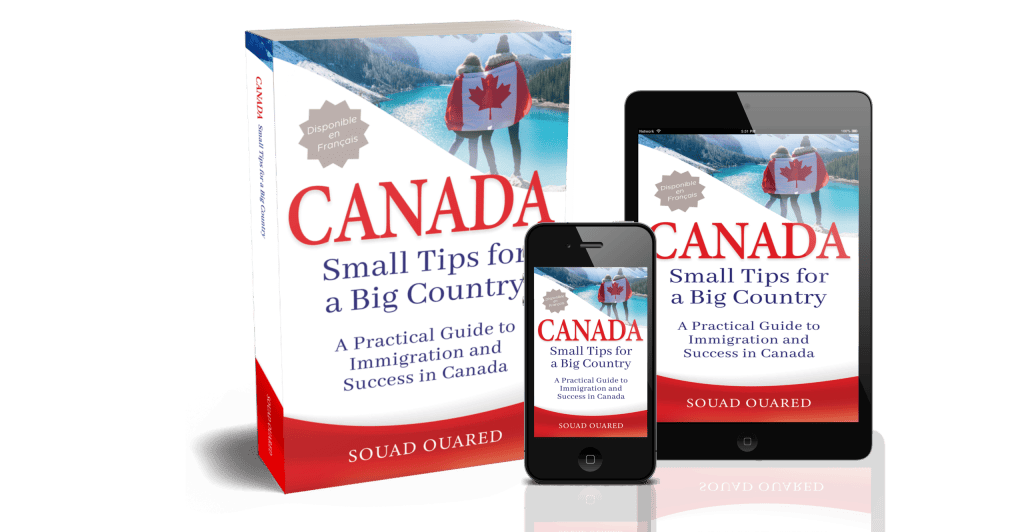
CANADA: Small Tips for a Big Country is a practical guide with a deeply human touch. Drawing on her own journey as an immigrant, more than 30 years of life in Canada, and the experiences of thousands of newcomers she has met and worked with, author Souad Ouared shares real-life advice that goes beyond what you can simply find online. From housing and employment to finances, culture, and everyday life, she shares what successful newcomers do differently, the mistakes to avoid, and the little things she wishes every newcomer knew.
Available in Paperback, Hardcover, and Audiobook.